Author: Mathias

Ellen Tovey – ‘Wake’ @ Stour Space

The way I stumbled into ‘Stour Space’ was actually quite accidental. On the hunt for a quiet, lovely place for some reading, writing and coffee sipping, far off my familiar routes around the East, I came across the promising ‘Counter Café’. Oh well, I had absolutely no idea that it was part of the same old warehouse building, which was about to become one of my favourite art galleries in London. Located along the Regent’s Canal and opposite of the Olympic Stadium in the formerly run down area of Hackney Wick – boasting the world’s highest density of artists per square meter – it offers an open gallery space and studios for artists within a creative environment. The premises of Stour Space have been the venue for many extraordinary exhibitions of young up-and-coming artists in the past four years and this tradition now continues with Ellen Tovey’s first London-based solo show ‘Wake’. Thrice shortlisted for the prestigious ‘BP Portrait Award’, Tovey assembled a compelling collection of retrospective and current paintings that visually attempt to ‘explore …

The Jewish-American Gangster in ‘The Godfather Part II’

Well, it’s been a long while since I watched ‘The Godfather Part II” for the very first time. Presumably in our teenage days, when boys were fascinated by the rebellious lifestyle of those gangster bosses on screen, eagerly watching flicks like ‘Goodfellas’ or ‘Casino’. The legendary classics, so to speak. Certainly, back then I wasn’t old enough to fully grasp what it meant to be an Italian, Irish or – slightly less obvious – Jewish gangster in American cinema. This exactly is the initial point, which the talk “Kosher Nostra – Screening the Memory of the Jewish-American Gangster in The Godfather II” by film scholar Dr. Jonathan Munby last Thursday wanted to approach. The senior lecturer of Lancaster University and fellow of the renown Du Bois Institute at Harvard was invited by the Leo Baeck Institute to take part in its lecture series ‘Film Talk: The Jewish Villain’ at the Wiener Library London. Convincingly he carved out the clash of fiction and reality in the representation of Jewish-American gangsters throughout the 20th century with great emphasis on …

Ólafur Arnalds @ Church of St. John-at-Hackney, London

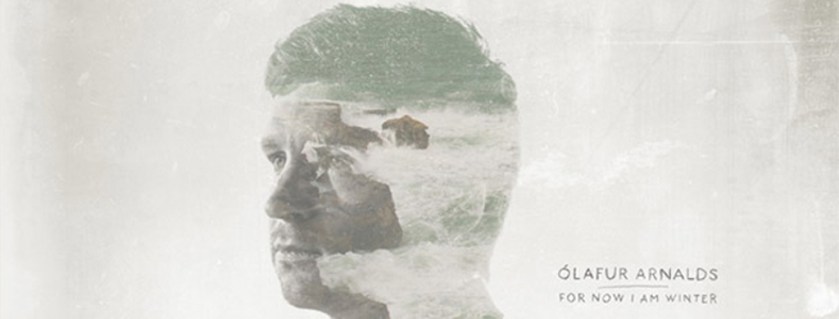
For Now I am Winter. Even multi-instrumentalist Ólafur Arnalds amusedly admits that this might have been an odd title choice for the release of his highly anticipated third full-length album and the subsequent European tour in April and June. Indeed, “summer” miraculously arrived yet in London these days, trying to whisk off our sad memories of the never-ending winterish springtime and sending warm rays of sun through the large church windows of tonight’s venue. But hey, I can’t blame him! Hailing from the small Icelandic town of Mosfellsbær, the hibernal season mostly determines local ways of life and is probably a part of the people’s cultural identity. More importantly, to me For Now I am Winter just brilliantly outlines the subtle theme of his most recent work: Everything is a snapshot, nothing remains unchanged. Quite frankly, I wasn’t really sure about my expectations of the night, despite knowing his discography almost by heart (as far as this is possible with neo-classical music). First of all, the young musician is known to have a great intuition for arranging his live tracks in multifaceted, …

Roger Kasparian – ‘The Sixties’

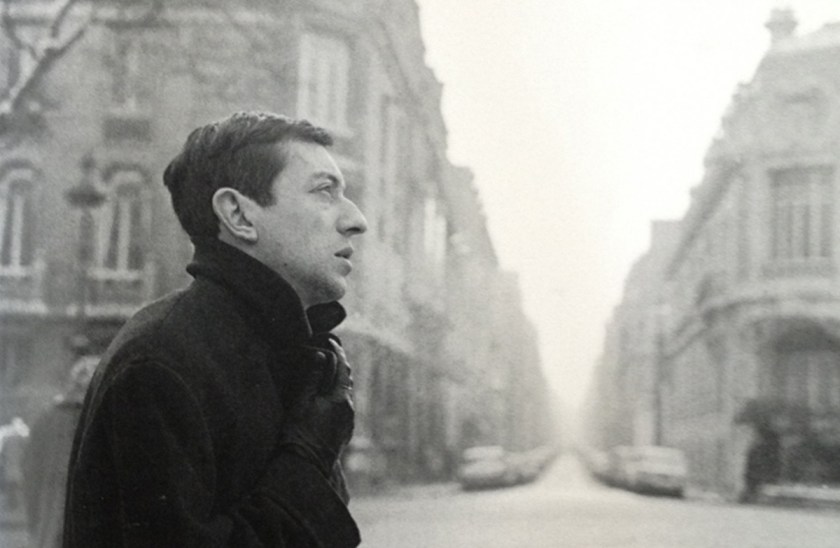
The area of Mayfair, besides London’s amazing Royal Academy of Art, did not have a great appeal on my drive for cultural exploration such as the East End – until now. Within the classy Piccadilly arcades, amidst old-established trades of hats, ties and suits, sit the SNAP galleries. Since moving to Central London three years ago, the gallery acquired renown as a specialist for iconic rock n’ roll photography and caught my attention with their latest exhibition ‘Roger Kasparian – The Sixties’. As an admirer of analogue photography, I simply could not miss out this small selection of rare camera work, which has never been exhibited before and impressively conveys the lifestyle of the 1960s. In the late 60s, Paris has become a magnet for aspiring musicians, actors and writers hence the young photographer Roger Kasparian was fortunate enough to document the footsteps of the world’s creative generation in the French capital. His single portraits, which capture icons like Serge Gainsbourg, Marianne Faithful or Françoise Hardy, succeed in breaking a false façade of fame and …